
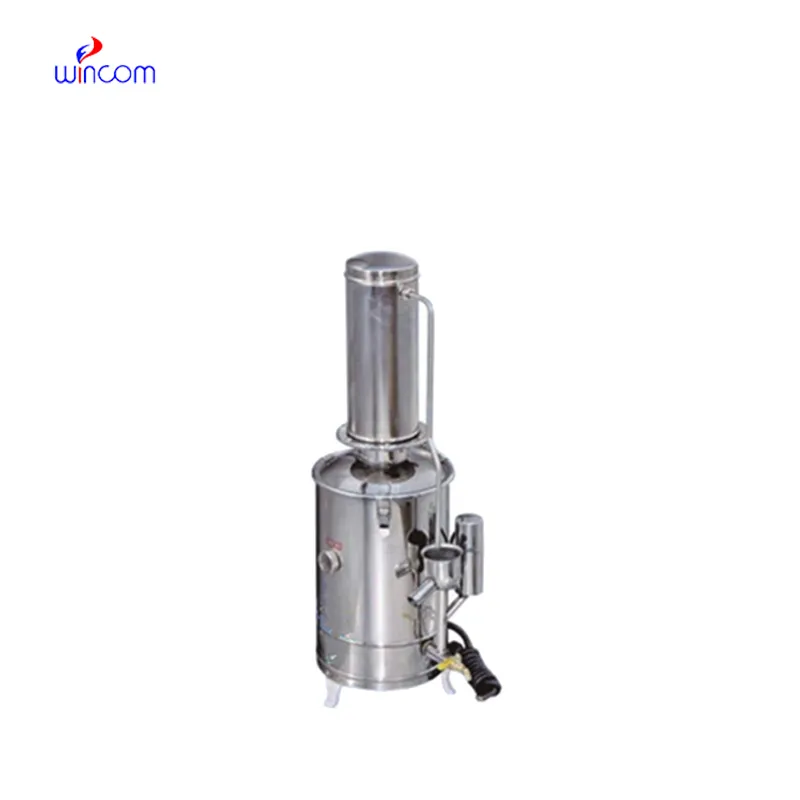
If you’ve invested in a water distiller, chances are you rely on it daily—whether it’s for clean drinking water at home, producing sterilized water in a lab, or offering high-quality water to customers as a retailer. A water distiller works by boiling water, capturing the steam, and condensing it into pure, mineral-free water.
Like any appliance, a water distiller can run into hiccups. The good news is that most problems are minor and fixable without professional help.
1. Water Distiller Won’t Turn On
This is probably the most frustrating issue—pressing the button and nothing happens.
Possible Causes:
- Power cord not plugged in properly
- Blown fuse or tripped breaker
- Malfunctioning on/off switch
- Overheated safety cut-off tripped
Troubleshooting Steps:
- Check the power source – Plug the unit into another outlet.
- Check the fuse or breaker – Replace the fuse or reset the breaker.
- Check the switch – If pressing the button feels loose or unresponsive, the switch might need replacing.
- Reset the thermal cut-off – Let the unit cool for 30 minutes, then try again.
If none of this works, the heating element may be faulty and require professional servicing.
2. Distiller Stops Mid-Cycle
Imagine starting a batch of water only to find the machine stopped halfway.
Possible Causes:
- Overheating due to scale buildup on the heating element
- Faulty thermostat shutting down too early
- Running the water distiller with too little water
Troubleshooting Steps:
- Check water level – Always fill the boiling chamber to the recommended line.
- Descale the chamber – Mineral deposits can cause overheating.
- Test the thermostat – If cleaning doesn’t help, the thermostat may need replacement.
For labs and medical settings, it’s essential to stay on top of regular descaling.
3. Strange Taste or Odor in Distilled Water
Pure distilled water should taste clean and neutral. If it smells or tastes off, something’s wrong.
Possible Causes:
- Residue in the boiling chamber or condenser
- Carbon post-filter expired
- Residual cleaning solution not rinsed out properly
Troubleshooting Steps:
- Deep clean the boiling chamber – Scrub away deposits with a non-abrasive brush.
- Replace carbon filters – These should be changed every 1–3 months depending on usage.
- Check your storage container – Plastic jugs can sometimes absorb odors and transfer them to the water.
4. Cloudy Distilled Water
If your water looks cloudy, it means impurities are slipping past the distillation process.
Possible Causes:
- Incomplete boiling cycle
- Dirty condenser coils
- Worn-out carbon filter
Troubleshooting Steps:
- Ensure the water distiller completes a full cycle.
- Clean condenser coils to improve steam cooling efficiency.
- Replace filters regularly.
For retailers, this is a common customer complaint—often solved by educating buyers about regular filter replacement.
5. Water Leaks Around the Machine
Leaks not only waste water but also risk damaging the electrical components.
Possible Causes:
- Cracked or loose tubing
- Overfilled boiling chamber
- Damaged gaskets or seals
Troubleshooting Steps:
- Check hoses and tubing for cracks or loose connections.
- Avoid overfilling – Stick to the manufacturer’s recommended fill level.
- Check seals and gaskets – Replace worn parts immediately.
Most gaskets and seals are inexpensive and easy to replace without professional help.
6. Overheating Problems
Overheating can shorten your water distiller’s lifespan.
Possible Causes:
- Blocked ventilation or fan malfunction
- Thermostat failure
- Heavy scale buildup on the heating element
Troubleshooting Steps:
- Ensure ventilation slots are clear.
- Clean the fan and check for smooth operation.
- Descale regularly to improve heat transfer.
- Replace the thermostat if overheating persists.
7. Distiller Producing Water Too Slowly
If your water distiller is suddenly crawling through cycles, efficiency has dropped.
Possible Causes:
- Heating element weakening
- Scale restricting boiling
- Cooling fan not working properly
Troubleshooting Steps:
- Clean and descale the chamber thoroughly.
- Check heating element for corrosion or wear.
- Check fan operation—slow fans reduce condensation efficiency.
A slow distiller may not meet demand for sterilized water. Consider having a backup distiller to prevent workflow interruptions.
Preventive Maintenance Checklist
The best troubleshooting is prevention. Follow these simple maintenance steps to avoid major issues:
- Descale monthly (or more often in hard water areas)
- Replace carbon filters every 1–3 months
- Clean the condenser and fan quarterly
- Check hoses, seals, and electrical connections twice a year
- Store in a cool, ventilated space to prevent overheating
FAQs About Water Distillers
1. How often should I clean my water distiller?
Monthly is ideal, but heavy users or those with hard water may need to clean every 2–3 weeks.
2. Why does my distilled water taste metallic?
Usually from mineral buildup in the chamber or an expired carbon filter.
3. Can I use vinegar instead of a descaler?
Yes, white vinegar works, but citric acid descalers are more effective and leave less odor.
4. What’s the lifespan of a water distiller?
With proper care, 8–12 years. Some users report over 15 years with consistent maintenance.
5. Is distilled water safe for long-term drinking?
Yes, though some people prefer adding trace minerals back for taste.
6. Do labs and medical facilities need different maintenance routines?
Yes—labs often require more frequent cleaning and filter changes to meet strict purity standards.
A water distiller is one of the most reliable ways to get pure, contaminant-free water. Most problems—whether it’s strange tastes, leaks, or slow performance—come down to maintenance and cleaning. By learning how to troubleshoot common issues, you can not only save money on repairs and extend your water distiller’s life, but also ensure a steady supply of safe water.